
HOW LONG CAN WE TOLERATE THE FDA - SERIOUSLY?
 By Admin3 views
A scrutiny of the Food and Drugs Authority (FDA) regarding its market surveillance and product recall mechanisms often reveals significant gaps that endanger public health. Let us look at five critical areas of inefficiencies on their part.
The most prominent criticism involves the pervasive presence of unregistered and counterfeit products on the Ghanaian market. Despite the FDA's mandate to ensure that every food and drug item meets safety standards before reaching consumers, a simple walk through many open-air markets and street-side stalls reveals a flood of unlicensed herbal concoctions, expired canned goods, and suspicious pharmaceutical products.
Critics argue that the Authority’s surveillance teams are either under-resourced or insufficiently deployed to monitor these informal sectors, where the majority of the population shops. This lack of a visible, constant presence allows unscrupulous traders to bypass safety protocols with little fear of immediate detection.

The FDA is frequently operating on reactive rather than proactive enforcement. In many instances, the Authority only issues a public alert or initiates a recall after a health crisis has already been reported by the media or after a significant number of consumers have been affected.
This "firefighting" approach suggests that the system for early detection—which should rely on routine sampling and laboratory testing of products already on the shelves—is lagging. For a regulator to be effective, it must identify risks before they manifest as illness; the current trend of late-stage intervention indicates a failure to maintain a tight, preventative grip on the supply chain.
Another critical point of failure lies in the ineffective communication and logistics of the recall process. When the FDA does identify a dangerous product, the information often fails to reach the rural and peri-urban areas where the product might be most widely distributed. Moreover, there is often a lack of transparency regarding the "trace-back" mechanism.
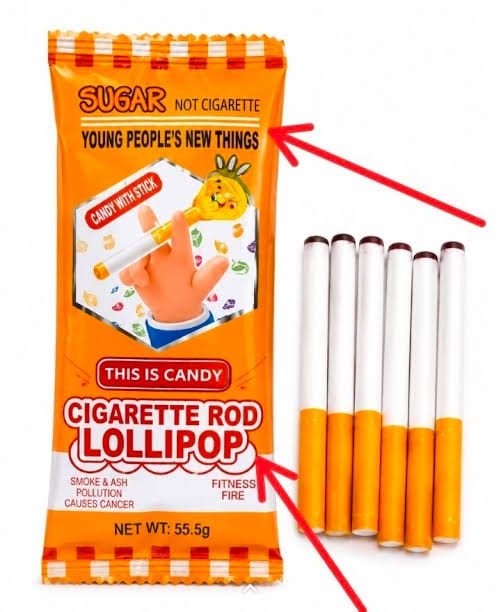
Consumers are rarely informed about exactly how many units of a contaminated batch were successfully retrieved versus how many remain in circulation. Without a rigorous, digitized tracking system, a "recall" often exists only on paper, while the physical products continue to sit on the shelves of small retailers who may not even be aware of the ban.
The inconsistency in sanctions also undermines market surveillance. Even when companies are caught violating safety standards or failing to comply with recall orders, the penalties applied are often perceived as mere "slaps on the wrist." If the financial cost of a fine is lower than the profit made from selling substandard goods, there is no real deterrent.
Critics point out that without aggressive prosecution and the permanent revocation of licenses for repeat offenders, the FDA creates an environment where corporate entities can treat public safety as a negotiable expense rather than a non-negotiable legal requirement.
Ultimately, these inefficiencies have lead to the erosion of public trust in the national health security apparatus. When the public sees these substandard products reappearing under different names or witnesses, the slow response to known toxins in the food chain, they lose confidence in the FDA’s ability to protect them.
This institutional lethargy doesn't just result in health complications; it fosters a culture of impunity among producers and importers. The demand for a complete overhaul of the FDA's leadership and operational strategy is hereby driven by the belief that a regulator that cannot effectively monitor its market or purge it of known threats has failed in its primary duty to the state.
Comments
Sign in or create a free account to join the conversation.