
Iran Lawmakers’ Nuclear-Test Push Raises Stakes in NPT Crisis.
 By Admin2 views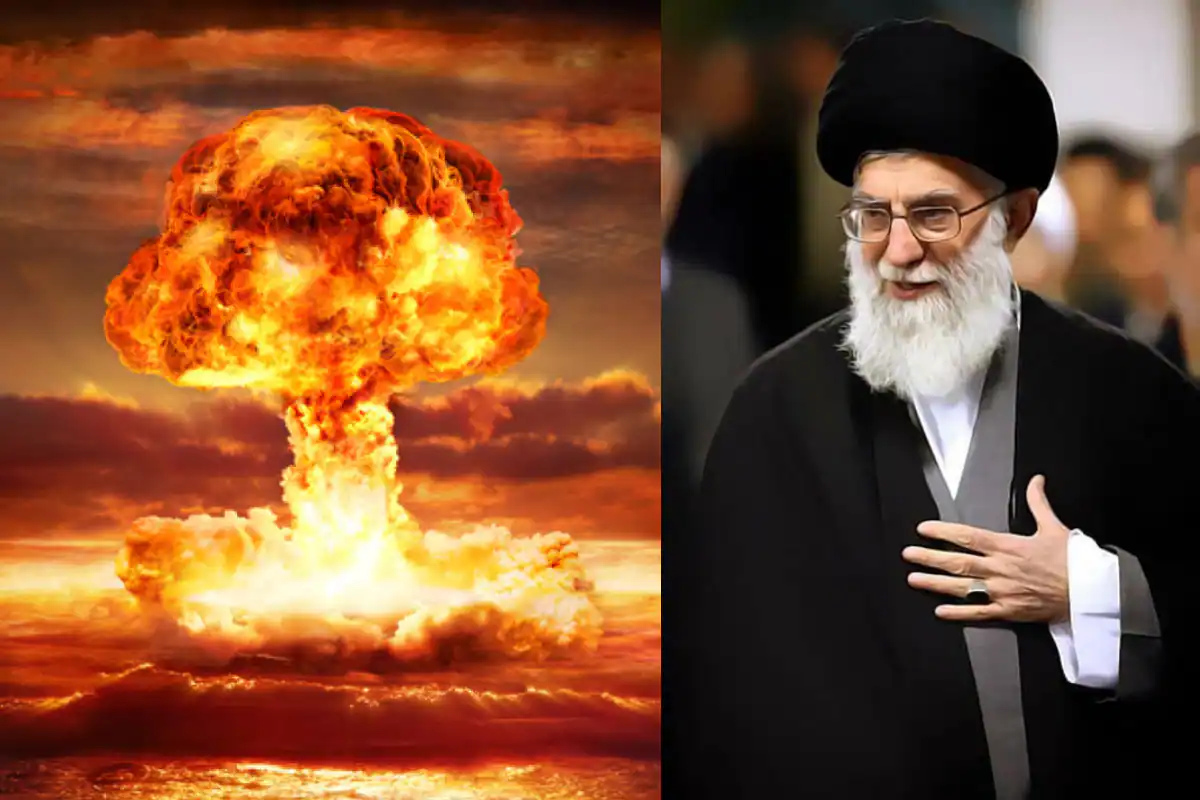
Tehran, Iran - Lawmakers are reportedly preparing a "triple‑urgency" bill that would ask Tehran to withdraw from the Nuclear Non‑Proliferation Treaty (NPT) and to move toward a nuclear weapons test. The media claim cited statements from the Iranian parliament but no formal introduction of the bill has been confirmed by independent sources.
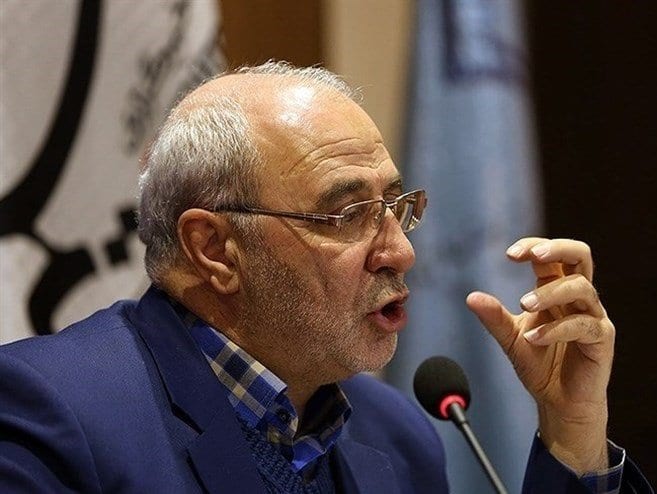
According to media reports Iranian MP Haji‑Deligani has said nuclear testing should happen " as soon as possible " arguing that Iran needs a nuclear deterrent. These remarks seem to come from hard‑line lawmakers after attacks on nuclear sites and a worsening clash with Israel and the United States.
The reported bill follows a NPT‑withdrawal proposal that was sent to Iran’s parliament on August 21. Other Iranian lawmakers have said that the bill has not yet reached the parliamentary committee showing a gap between political talk and official policy.
The situation escalated after the International Atomic Energy Agency (IAEA) Board of Governors referred Iran’s case to the United Nations Security Council. Years of disputes over nuclear material, unresolved safeguards questions and Tehran’s restrictions on international inspections led to that action.
The NPT, which started in 1970 rests on three pillars: stopping the spread of weapons, encouraging peaceful nuclear cooperation and seeking nuclear disarmament. Iran, which is a non‑nuclear‑weapon state party, is deprived of building or obtaining nuclear weapons while accepting IAEA safeguards.
Article X of the NPT allows a state to withdraw if it believes that extraordinary events endanger its interests. The state must give three months’ notice to parties and to the UN Security Council explaining the reasons for its decision. Withdrawal would not automatically solve questions about material or past safeguards violations.
Iran’s nuclear program grew after the 2015 Joint Comprehensive Plan of Action (JCPOA) began to unravel. The United States left the agreement in 2018. Since then reports indicate Iran has gradually exceeded several of the deal’s limits including limits on enrichment and stockpiles.
IAEA assessments have shown that Iran produced and stored uranium enriched to as much as 60% uranium‑235. That level is above the 3.67% ceiling set by the JCPOA even though it is still below the about 90% level that is typically linked to weapons‑grade uranium. Enrichment alone does not prove that Iran is building a weapon.
The agency has warned that it cannot fully verify the status of Iran’s enriched‑uranium stockpile or solve remaining questions about sites. In January IAEA Director‑General Rafael Grossi said the standoff over access to damaged facilities and accounting for material could not continue forever.
Haji‑Deligani has accused the IAEA of being untrustworthy, claiming that confidential information given to inspectors was passed to forces. Tehran also used attacks on facilities as proof that international monitoring failed to protect Iran’s security. The IAEA says its role is verification, not targeting.
A withdrawal from the NPT would not by itself prove that Iran decided to build a weapon but a withdrawal followed by preparations for a test would signal a major strategic change. It could trigger sanctions to deepen Iran’s isolation and raise pressure on other Middle Eastern states to seek stronger deterrents. A nuclear test would be a greater escalation. Therefore Iran’s parliamentary debate matters beyond politics: it could decide whether Tehran is using the threat of withdrawal to negotiate or is breaking openly from the global non‑proliferation system.
For now the bill remains unconfirmed while the IAEA and international governments keep demanding transparency and access from Iran.
Comments
Sign in or create a free account to join the conversation.