
Putin backs permanent African seat as pressure mounts for UN Security Council reform.
 By Admin5 views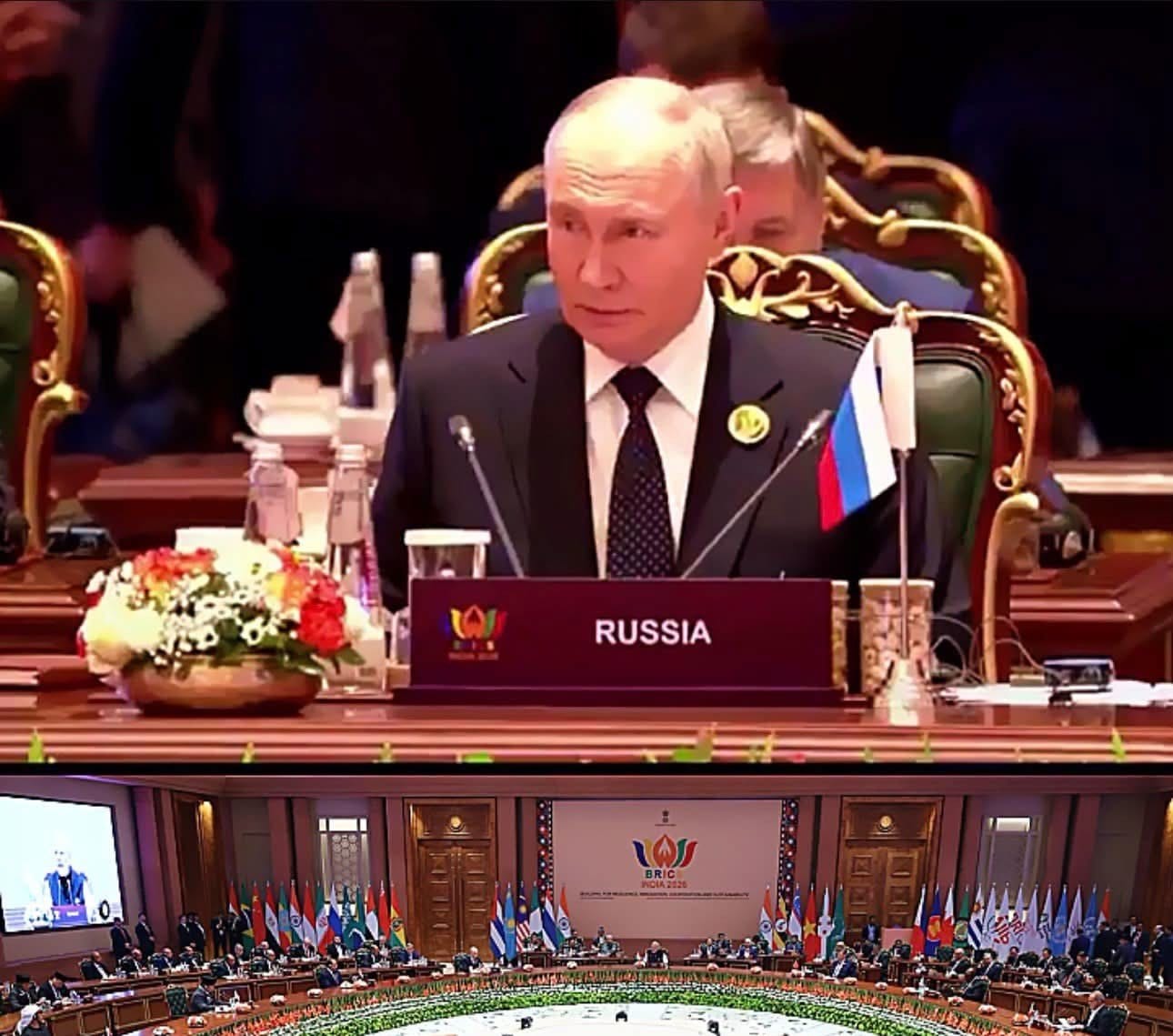
Russian President Vladimir Putin has once again raised the issue of expanding the United Nations Security Council, arguing that Africa, Asia and Latin America deserved greater representation in the international body.
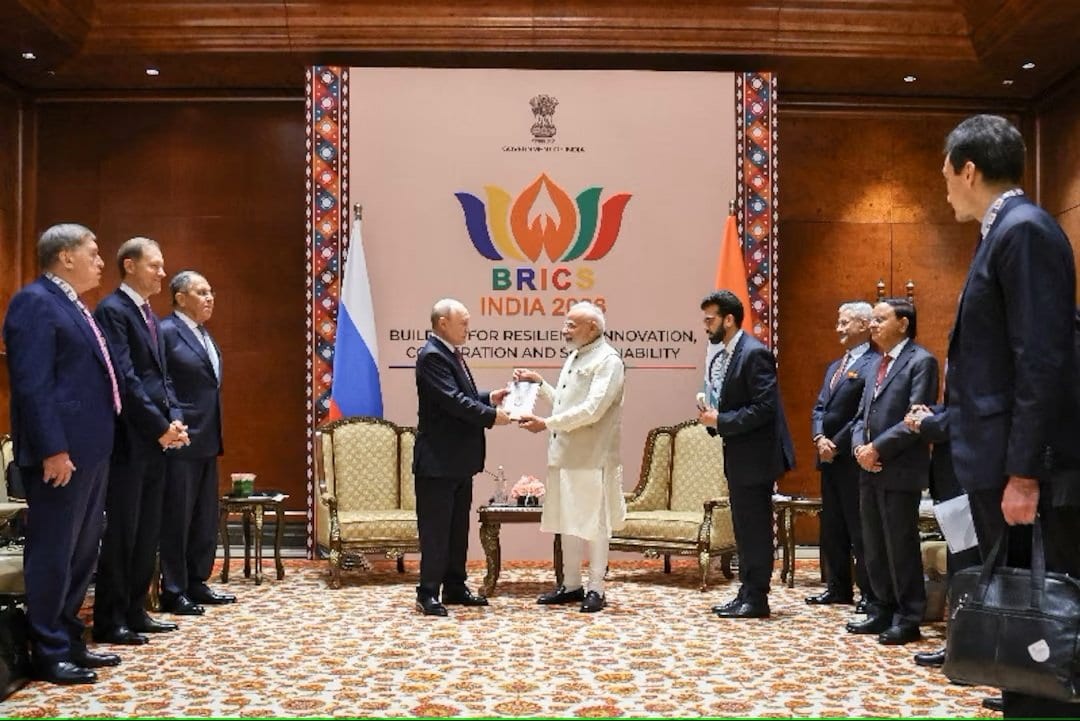
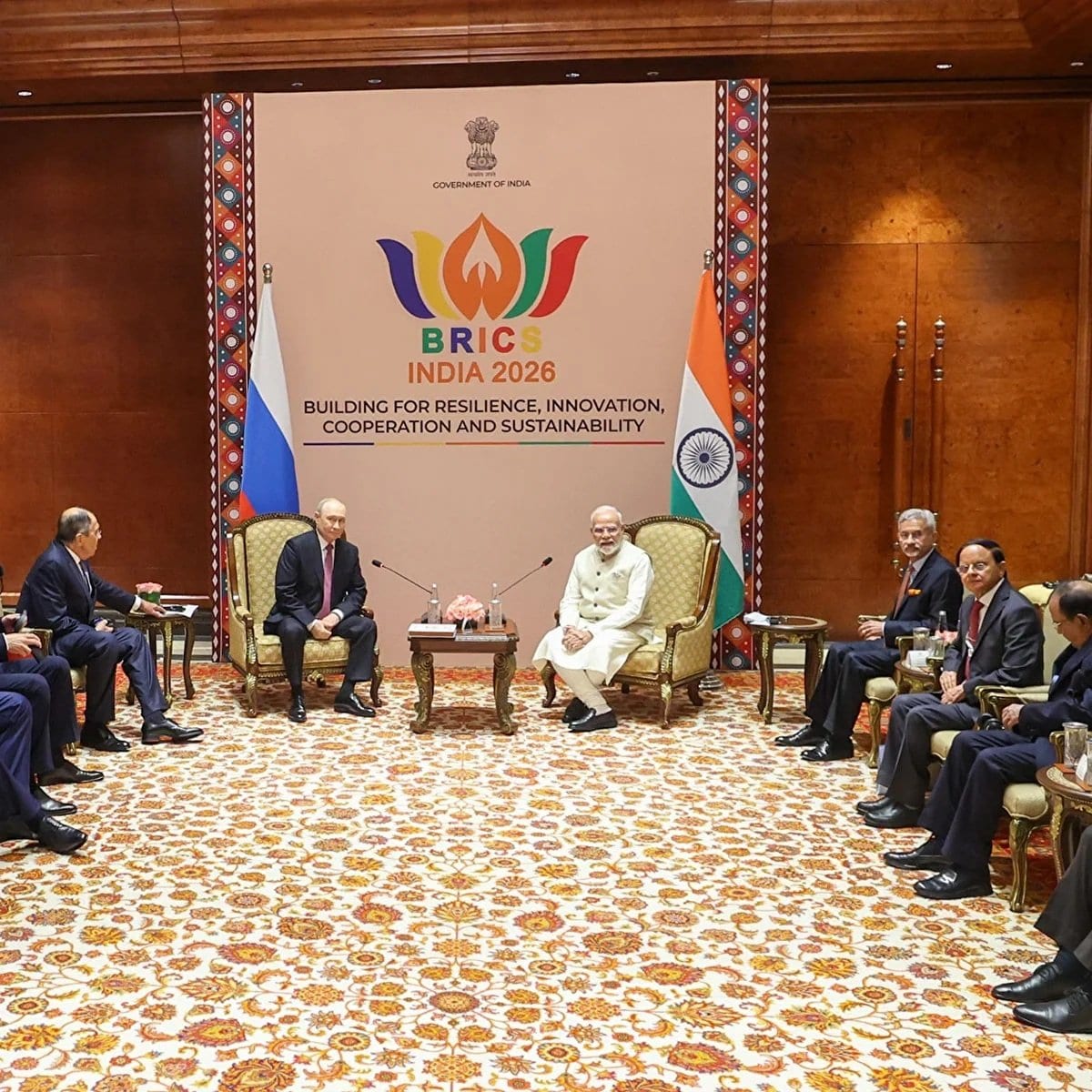
Speaking at the 18th BRICS summit in New Delhi on September 12, Putin said expanding the Council would help the United Nations reflect the changing balance of global power. “Expanding the UN Security Council—specifically by increasing representation for countries in Asia, Africa and Latin America—would contribute to this goal,” Putin said, according to a Kremlin transcript reported by Anadolu Agency.
The Security Council currently has 15 members: five permanent members—China, France, Russia, the United Kingdom and the United States—and 10 non-permanent members elected for two-year terms. The permanent members have veto powers, but Africa, which has 54 of the UN’s 193 member states, has none. African countries occupy three rotating seats, but these positions do not grant veto powers.
The disparity between Africa’s political and military power and its limited representation at the Security Council has become increasingly difficult to defend, particularly because African conflicts and peacekeeping crises constitute a significant portion of the Council’s workload. Africa’s longstanding demand The African Union’s position is based on the Ezulwini Consensus and the Sirte Declaration adopted in 2005.
Common to both is the call for at least two permanent seats and five additional non-permanent seats for Africa. The AU also demands that any new permanent African members enjoy the same privileges as the existing permanent members, including veto powers as long as voting powers continue to be held. The question of who would occupy the permanent seats, however, has remained unresolved.
The AU has argued that the selection should be made by Africa, rather than the permanent members. Africa’s leaders have repeatedly argued that the current setup reflects the world of 1945, when most African countries were still under colonial rule. They argue that the Council’s composition no longer reflects today’s population, political influence or security realities. UN Secretary-General António Guterres has also supported permanent African representation.
In a recent meeting with the African Union leadership, the UN chief reiterated that Africa’s permanent inclusion was necessary to enhance fairness, legitimacy and the effectiveness of the multilateral system. Reform beyond the Security Council Putin connected the Security Council reform to a broader restructuring of global institutions, including the International Monetary Fund, the World Bank and the World Trade Organization.
He argued that the institutions were created in a different economic and political era and have struggled to adapt to the rise of emerging economies. BRICS countries have increasingly pushed for greater voting power and decision-making influence in institutions traditionally dominated by Western countries. The grouping has also advocated alternatives such as a New Development Bank, local-currency trade and new financial arrangements to reduce dependence on the US dollar or Western-led systems.
The issue is particularly important for countries such as China and India, whose economic weight has grown significantly but whose influence in some institutions has not kept pace. A difficult political process To change the composition of the Security Council, an amendment to the UN Charter would be needed. That would require two-thirds of the General Assembly’s approval and the ratification by two-thirds of UN member states, including all five existing permanent members.
This requirement gives the United States, China, Russia, France and the United Kingdom a veto over structural reform. Proponents of reform argue that the Council risks becoming ineffective if its most powerful decision-making chamber has no representation from major regions. Critics, however, argue that adding more permanent members could make the Council even more difficult to manage and could exacerbate rivalries over who speaks for which region.
For Africa, the demand is both political and a matter of history. The continent seeks a permanent voice in decisions that often have implications for its conflicts, sanctions, peacekeeping operations or development prospects. Putin’s intervention is therefore likely to boost the campaign African leaders have been pursuing for decades.
It will now depend on whether calls for reform can outweigh the interests of the current permanent members and the wider UN membership.
Comments
Sign in or create a free account to join the conversation.